
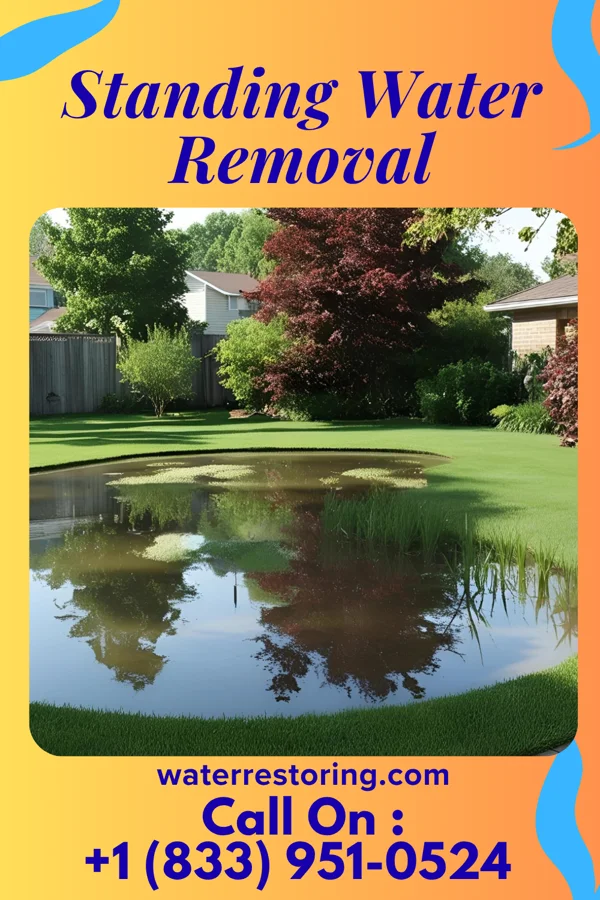
When White Properties Need Standing Water Removal
Water damage in White usually starts with In White, South Dakota, the primary water damage cause is often due to agricultural runoff from nearby farmlands and seasonal flooding from the Missouri River, which can lead to sudden water intrusion in homes and businesses. Additionally, heavy spring rains and thawing snow can overwhelm local drainage systems, increasing the risk of water damage in rural areas.. A close second is Secondary causes include plumbing failures in older homes, leaking roofs from poor insulation, and inadequate stormwater management in low-lying areas near Rolland Colony and Toronto. These factors contribute to both sudden and slow-moving water damage scenarios.. Professional restoration follows the IICRC protocol on every job. Assess. Extract. Dry. Sanitize. Document.
White experiences a continental climate with cold winters and hot summers, leading to frozen pipes and thaw-related water damage. The region's flat terrain and proximity to the Missouri River also increase the risk of flooding, especially during spring thaw and heavy precipitation events.
Water damage in White follows a few local patterns. In White, South Dakota, the primary water damage cause is often due to agricultural runoff from nearby farmlands and seasonal flooding from the Missouri River, which can lead to sudden water intrusion in homes and businesses. Additionally, heavy spring rains and thawing snow can overwhelm local drainage systems, increasing the risk of water damage in rural areas. accounts for the bulk of our calls. White experiences a continental climate with cold winters and hot summers, leading to frozen pipes and thaw-related water damage. The region's flat terrain and proximity to the Missouri River also increase the risk of flooding, especially during spring thaw and heavy precipitation events. Mold growth in White can occur rapidly due to the region's high humidity and frequent rainfall, especially in poorly ventilated or water-damaged structures. Prompt water extraction and drying are critical to prevent mold proliferation and long-term structural damage.